
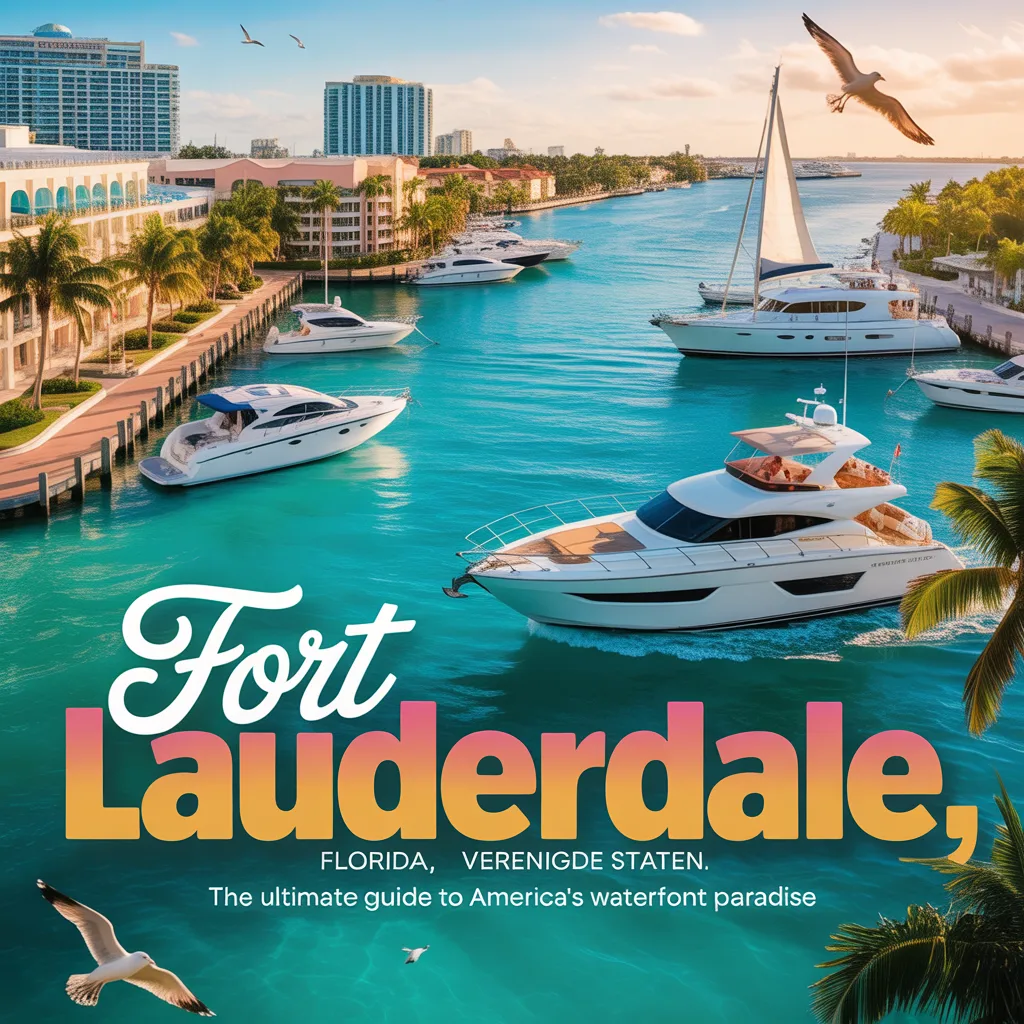
Fort Lauderdale, Florida, Verenigde Staten: The Ultimate Guide to America’s Waterfront Paradise
When people think about sunny beaches in the United States, cities like Miami or Los Angeles usually steal the spotlight. Yet tucked along the southeastern coast of Florida lies a destination that blends tropical beauty, luxury living, boating culture, and laid-back coastal charm into one unforgettable package. That city is Fort Lauderdale, often referred to as the “Venice of America.” The Dutch phrase “Verenigde Staten” simply means “United States,” and Fort Lauderdale proudly stands as one of the country’s most dynamic waterfront cities.
Fort Lauderdale has evolved dramatically over the last two decades. Once famous mainly for spring break parties, it has transformed into a sophisticated travel destination known for upscale resorts, world-class marinas, luxury yachts, and a thriving arts scene. Travelers now visit for much more than beaches. They come for the canals, culinary experiences, shopping districts, eco-tourism adventures, and the unique balance between urban energy and relaxed coastal living. Imagine a city where palm trees sway beside luxury boats, where fine dining overlooks sparkling waterways, and where every sunset feels like a movie scene. That is the atmosphere Fort Lauderdale delivers every single day.
The city also plays a major economic role in South Florida. Recent tourism reports show Greater Fort Lauderdale welcomed more than 20.9 million travelers in 2025 while generating over $124 million in tourism tax revenue. Hotel occupancy in March 2026 climbed to 85%, reflecting strong visitor demand and continued international interest in the region. These numbers reveal something important: Fort Lauderdale is no longer living in Miami’s shadow. It has become a global destination in its own right.
Understanding Fort Lauderdale’s Global Appeal
Why Travelers Call It the Venice of America
Few American cities possess the same relationship with water as Fort Lauderdale. The nickname “Venice of America” is not just a catchy tourism slogan. It comes from the city’s extraordinary network of canals and waterways stretching more than 300 miles throughout the region. Boats are as common here as cars in many neighborhoods. Waterfront homes often have private docks, and residents regularly commute by boat or water taxi. It creates a lifestyle that feels almost surreal to visitors arriving for the first time.
The city’s connection to boating culture runs deep. Fort Lauderdale is recognized globally as one of the world’s leading yachting capitals. Massive luxury yachts line the marinas, and the annual Fort Lauderdale International Boat Show attracts boating enthusiasts, investors, and marine businesses from around the world. Walking along the Intracoastal Waterway feels like stepping into a luxury travel magazine. One moment you are sipping coffee at a waterfront café, and the next you are watching million-dollar yachts glide past like floating mansions.
Water also shapes the city’s personality. Unlike crowded urban beach destinations that sometimes feel overwhelming, Fort Lauderdale balances relaxation with excitement. The beaches are spacious and cleaner than many major tourist hubs. The canals create a calm atmosphere that softens the energy of the city. Even busy shopping districts like Las Olas Boulevard feel elegant rather than chaotic. This combination of luxury, accessibility, and natural beauty explains why Fort Lauderdale appeals to families, retirees, digital nomads, entrepreneurs, and international tourists alike.
The City’s Rapid Tourism Growth in 2026
Tourism in Fort Lauderdale is growing at an impressive pace. According to recent regional tourism reports, the city experienced a 9% increase in hotel demand in early 2026 compared to the previous year. Average hotel rates climbed above $240 per night, signaling strong confidence in the market and continued demand from travelers worldwide. This growth is tied to several major developments transforming the city into an international tourism powerhouse.
One major factor is the expansion of the Broward County Convention Center. The upgraded facility is attracting large conventions, international exhibitions, and business events that generate hundreds of thousands of hotel room bookings. Reports indicate that 48 conventions booked in 2025 alone are expected to create an economic impact exceeding $800 million. That is a staggering figure and highlights how Fort Lauderdale is evolving beyond leisure tourism into a major business and conference destination.
Another driving force is international travel connectivity. Fort Lauderdale’s airport and cruise industry continue to expand rapidly. Major global tourism events, including the upcoming IPW 2026 conference hosted in the city, are expected to generate billions in future travel-related economic activity. The city is no longer just attracting seasonal visitors. It is building a year-round tourism economy fueled by business travelers, cruise passengers, remote workers, and luxury vacation seekers.
Geography and Climate of Fort Lauderdale
Location in South Florida
Fort Lauderdale sits in Broward County on Florida’s southeastern Atlantic coast, approximately 30 miles north of Miami. This location gives it a strategic advantage. Visitors enjoy easy access to South Florida’s entertainment, international airports, and cultural attractions while avoiding some of the congestion and intensity associated with larger metropolitan areas. It acts almost like a bridge between tropical resort living and modern urban convenience.
The geography of the city is heavily shaped by water. The Atlantic Ocean borders the eastern side, while inland canals weave through residential and commercial neighborhoods. Palm-lined streets, waterfront mansions, marinas, and sandy beaches define the landscape. It is one of those rare places where outdoor living is not seasonal but part of daily life. Residents jog along beachfront promenades in January just as comfortably as they do in July.
Fort Lauderdale’s location also makes it a gateway to other famous Florida attractions. The Everglades sit just west of the city, offering airboat adventures and wildlife experiences unlike anywhere else in the United States. The Florida Keys are within driving distance, while nearby Miami adds world-famous nightlife and international culture to the regional experience. Travelers essentially get access to multiple vacation styles from one convenient base.
Weather Throughout the Year
The weather is one of Fort Lauderdale’s greatest selling points. The city averages around 77°F annually and enjoys more than 3,000 hours of sunshine every year. Winters are warm and dry, making the city especially popular with tourists escaping colder climates. While much of North America battles snowstorms in January, Fort Lauderdale residents are dining outdoors beside the ocean in short sleeves.
Spring is arguably the city’s most attractive season. Temperatures remain comfortable, humidity stays manageable, and the beaches become lively without feeling overcrowded. Summer brings hotter temperatures and occasional tropical storms, but it also delivers lush green scenery and vibrant beach energy. Rain showers often arrive quickly and disappear just as fast, leaving behind dramatic sunsets and warm ocean breezes.
Autumn tends to be quieter, making it an ideal season for travelers seeking lower hotel prices and fewer crowds. The climate creates a year-round tourism cycle that supports local businesses continuously rather than seasonally. It also explains why so many retirees and remote workers choose to relocate permanently to Fort Lauderdale. Living in a city where sunshine feels almost guaranteed changes people’s lifestyles in profound ways.
History and Cultural Identity
From Military Fort to Luxury Destination
Fort Lauderdale’s history dates back to the 19th century when military forts were established during the Seminole Wars. The city’s name originates from Major William Lauderdale, whose troops built forts in the area during the 1830s. Over time, the settlement slowly evolved into a small coastal community centered around fishing, transportation, and trade.
The arrival of the railroad in the late 1800s transformed the region dramatically. Accessibility attracted investors, developers, and tourists eager to experience Florida’s tropical climate. During the mid-20th century, Fort Lauderdale became famous as a spring break hotspot, drawing thousands of college students each year. Movies and television reinforced its party-city reputation, turning the city into a symbol of youthful beach culture.
Yet the city reinvented itself successfully. Rather than relying solely on seasonal tourism, Fort Lauderdale invested heavily in infrastructure, luxury development, arts, and waterfront experiences. The result is a city that now attracts affluent travelers, business executives, yacht owners, and international investors. It is a fascinating example of urban transformation. Like a classic car restored into a luxury masterpiece, Fort Lauderdale preserved its vibrant personality while elevating nearly every aspect of its identity.
Multicultural Influences and Local Lifestyle
Fort Lauderdale is incredibly diverse. Residents from more than 170 countries and speakers of 147 languages contribute to the city’s multicultural atmosphere. This diversity influences everything from cuisine to festivals and business culture. Walking through the city often feels like traveling through multiple countries in a single afternoon.
Latin American, Caribbean, and European influences are especially visible throughout the region. Restaurants serve Cuban sandwiches, Caribbean seafood dishes, Brazilian steakhouses, and Mediterranean cuisine side by side. Cultural festivals celebrate music, art, and traditions from around the world. This diversity helps Fort Lauderdale maintain an international vibe that appeals strongly to global travelers.
The lifestyle itself revolves around outdoor living and waterfront experiences. Locals spend weekends boating, dining outdoors, attending beach festivals, or simply enjoying sunset walks along the coast. The pace feels energetic but not rushed. There is ambition here, but also an understanding that quality of life matters deeply. That balance is part of the city’s magic.
Top Attractions in Fort Lauderdale
Las Olas Boulevard
Las Olas Boulevard is the beating heart of Fort Lauderdale’s social and cultural scene. Stretching from downtown to the beach, this iconic boulevard combines upscale shopping, art galleries, cafés, restaurants, and nightlife into one beautifully walkable district. Think of it as the city’s living room — a place where tourists and locals naturally gather.
The architecture along Las Olas mixes Mediterranean influences with modern coastal elegance. Sidewalk cafés spill onto the streets, boutique stores display luxury fashion, and art galleries showcase local creativity. During the evening, the area transforms into a lively social hub filled with music, cocktails, and glowing lights reflecting off nearby waterways.
What makes Las Olas special is its personality. Many shopping districts feel commercial and repetitive, but Las Olas feels authentic. Independent businesses coexist with luxury brands, creating an atmosphere that is stylish without becoming sterile. Whether someone wants fine dining, rooftop cocktails, or a quiet coffee beside a canal, Las Olas delivers the experience naturally.
Fort Lauderdale Beach
Fort Lauderdale Beach offers miles of clean sand, turquoise water, and a relaxed atmosphere that distinguishes it from more chaotic Florida beaches. The beachfront promenade is lined with palm trees, restaurants, luxury hotels, and outdoor fitness areas. It feels polished but still welcoming.
Unlike beaches dominated by massive crowds and noise, Fort Lauderdale Beach often feels spacious and balanced. Families relax comfortably alongside young travelers, retirees, and fitness enthusiasts. The beach also serves as a center for water sports, including paddleboarding, jet skiing, parasailing, and snorkeling.
Travel publications continue highlighting Fort Lauderdale as one of America’s most enjoyable coastal cities. Recent travel features praised the city’s blend of luxury resorts, boating culture, and relaxed beach lifestyle. That combination explains why repeat visitors return year after year.
| Attraction | Best Feature | Ideal For |
|---|---|---|
| Fort Lauderdale Beach | Wide sandy coastline | Families & couples |
| Las Olas Boulevard | Dining and shopping | Nightlife & culture |
| Everglades Tours | Wildlife adventures | Nature lovers |
| Bonnet House Museum | Historic estate | Art & history fans |
Fort Lauderdale’s Booming Tourism Industry
Hotel and Cruise Industry Expansion
Tourism drives much of Fort Lauderdale’s economy, and the city’s hospitality industry continues expanding rapidly. Hotels across Greater Fort Lauderdale reported occupancy rates reaching 85% during March 2026, reflecting strong international demand. Luxury resorts, boutique waterfront hotels, and apartment-style accommodations are all benefiting from increased visitor traffic.
The cruise industry is equally important. Port Everglades remains one of the busiest cruise ports in the world, welcoming over 4 million cruise passengers during 2025. Cruise tourism creates enormous economic activity by supporting hotels, restaurants, transportation services, and entertainment businesses throughout the city.
The city is also benefiting from changing airline dynamics. After operational changes involving major low-cost carriers, airlines like JetBlue expanded aggressively in Fort Lauderdale, increasing daily departures and strengthening the airport’s importance as a national travel hub. This growing connectivity is helping Fort Lauderdale compete with larger global tourism destinations.
Port Everglades and International Travel
Port Everglades acts like the city’s economic engine. Massive cruise ships depart daily for the Caribbean, Mexico, and international destinations, bringing constant movement and energy into the local economy. The port also supports cargo operations, marine industries, and employment opportunities across Broward County.
Yet growth comes with environmental concerns. Recent reports highlighted debates surrounding proposed expansion projects that could affect nearby coral reef ecosystems. This tension reflects a broader challenge facing coastal cities worldwide: how to balance economic growth with environmental protection.
Fort Lauderdale’s future likely depends on maintaining that balance successfully. Travelers increasingly value sustainability, eco-tourism, and responsible development. Protecting beaches, waterways, and marine life will remain essential if the city wants to preserve the natural beauty driving its tourism success.
2026 Tourism Statistics and Economic Impact
The economic numbers surrounding Fort Lauderdale’s tourism sector are impressive. Here are some recent highlights:
| Tourism Statistic | Recent Figure |
|---|---|
| Annual visitors in 2025 | 20.9 million |
| Tourist tax revenue | $124 million |
| Cruise passengers | 4+ million |
| March 2026 hotel occupancy | 85% |
| Economic impact from conventions | $801 million |
These statistics show that Fort Lauderdale is far more than a beach destination. It is a powerful economic center supporting jobs, real estate growth, hospitality industries, and international business investment.
Food, Nightlife, and Entertainment
Best Dining Experiences
Fort Lauderdale’s culinary scene has exploded in recent years. Waterfront dining dominates the experience, allowing guests to enjoy seafood, cocktails, and ocean breezes simultaneously. Fresh fish, Caribbean flavors, Latin American influences, and upscale fusion cuisine define much of the local food culture.
Restaurants along Las Olas Boulevard and the beachfront attract both celebrity chefs and innovative local talent. Visitors can enjoy everything from luxury steakhouses to hidden seafood gems tucked beside quiet canals. Dining here feels experiential rather than routine. The surroundings become part of the meal itself.
Food culture also reflects the city’s diversity. Cuban cafés, Brazilian grills, Caribbean seafood restaurants, and Italian waterfront eateries all coexist within short distances. This multicultural mix keeps the dining scene constantly evolving. It is nearly impossible to run out of new flavors to explore.
Nightlife and Beach Culture
Fort Lauderdale nightlife balances sophistication with beach-town energy. Rooftop lounges, beach bars, live music venues, and elegant cocktail lounges create a wide range of options for visitors. Unlike destinations focused purely on loud party culture, Fort Lauderdale offers a more mature and versatile nightlife experience.
Beach culture remains central to local identity. Sunrise yoga classes, outdoor fitness events, beachfront concerts, and casual oceanfront dining are part of daily life. Even spring break tourism has evolved. Reports indicate Fort Lauderdale has managed increased spring travel more effectively than some neighboring destinations by maintaining a more balanced and controlled atmosphere.
The city’s entertainment scene also continues expanding through film production and cultural investment. Broward County reportedly generated over $200 million from film and television production activity during 2025. This growth adds another layer to Fort Lauderdale’s evolving identity as a creative and cultural hub.
Living and Investing in Fort Lauderdale
Real Estate and Airbnb Market Trends
Fort Lauderdale’s real estate market remains highly attractive to investors, retirees, and remote workers. Waterfront properties command premium prices, while luxury condominiums continue rising throughout downtown and beachfront districts. Demand remains strong because the city offers both lifestyle benefits and long-term investment potential.
Short-term rentals have become particularly important. Recent market reports estimated average Airbnb revenue in Fort Lauderdale exceeds $47,000 annually, supported by rising nightly rates and strong occupancy levels. The city’s tourism strength helps sustain this growing short-term rental economy.
Remote work trends are also reshaping residential demand. Professionals who once needed to live in New York or Chicago increasingly choose Fort Lauderdale for its weather, tax advantages, and lifestyle quality. The city essentially offers a permanent vacation atmosphere combined with modern infrastructure and business opportunities.
Business Opportunities and Employment
Fort Lauderdale’s economy extends well beyond tourism. Marine industries, technology, logistics, aviation, healthcare, and finance all contribute significantly to regional growth. Broward County continues attracting businesses seeking access to international markets and South Florida’s skilled workforce.
Employment data shows mixed but resilient trends. Recent labor reports noted unemployment rates around 4.2% while emphasizing the region’s long-term economic competitiveness and infrastructure strengths. The economy is evolving rapidly, especially as international trade, tourism, and technology sectors continue expanding.
Entrepreneurs are particularly drawn to Fort Lauderdale because of Florida’s business-friendly tax structure and growing population. The city combines lifestyle appeal with economic opportunity in a way few American destinations can match.
Conclusion
Fort Lauderdale, Florida, Verenigde Staten represents far more than a typical beach city. It is a place where waterways shape daily life, where tourism fuels economic innovation, and where tropical beauty blends naturally with modern sophistication. From luxury yachts and waterfront mansions to multicultural dining and Everglades adventures, the city offers experiences that feel both exciting and deeply relaxing at the same time.
Its transformation over recent decades is remarkable. Fort Lauderdale successfully evolved from a spring break hotspot into one of America’s premier waterfront destinations. Strong tourism growth, expanding international visibility, booming real estate markets, and rising business investment all suggest the city’s momentum is far from slowing down.
For travelers, Fort Lauderdale delivers sunshine, culture, beaches, nightlife, and boating adventures in one destination. For investors and residents, it offers opportunity, lifestyle quality, and long-term economic potential. It is not just another stop in Florida. It is a city building a global identity of its own.
FAQs
1. Why is Fort Lauderdale called the Venice of America?
Fort Lauderdale earned the nickname because of its extensive canal system and waterways stretching more than 300 miles throughout the city.
2. Is Fort Lauderdale better than Miami for tourists?
That depends on travel style. Fort Lauderdale is generally more relaxed, less crowded, and more waterfront-oriented compared to Miami’s faster-paced urban energy.
3. What is the best time to visit Fort Lauderdale?
The most popular months are from November through April because temperatures remain warm while humidity stays lower.
4. Is Fort Lauderdale expensive?
Fort Lauderdale can be costly in luxury beachfront areas, but travelers can still find mid-range hotels, affordable dining, and budget-friendly entertainment options.
5. What industries drive Fort Lauderdale’s economy?
Tourism, marine industries, cruise operations, aviation, healthcare, real estate, and international business are among the city’s strongest economic sectors.
