
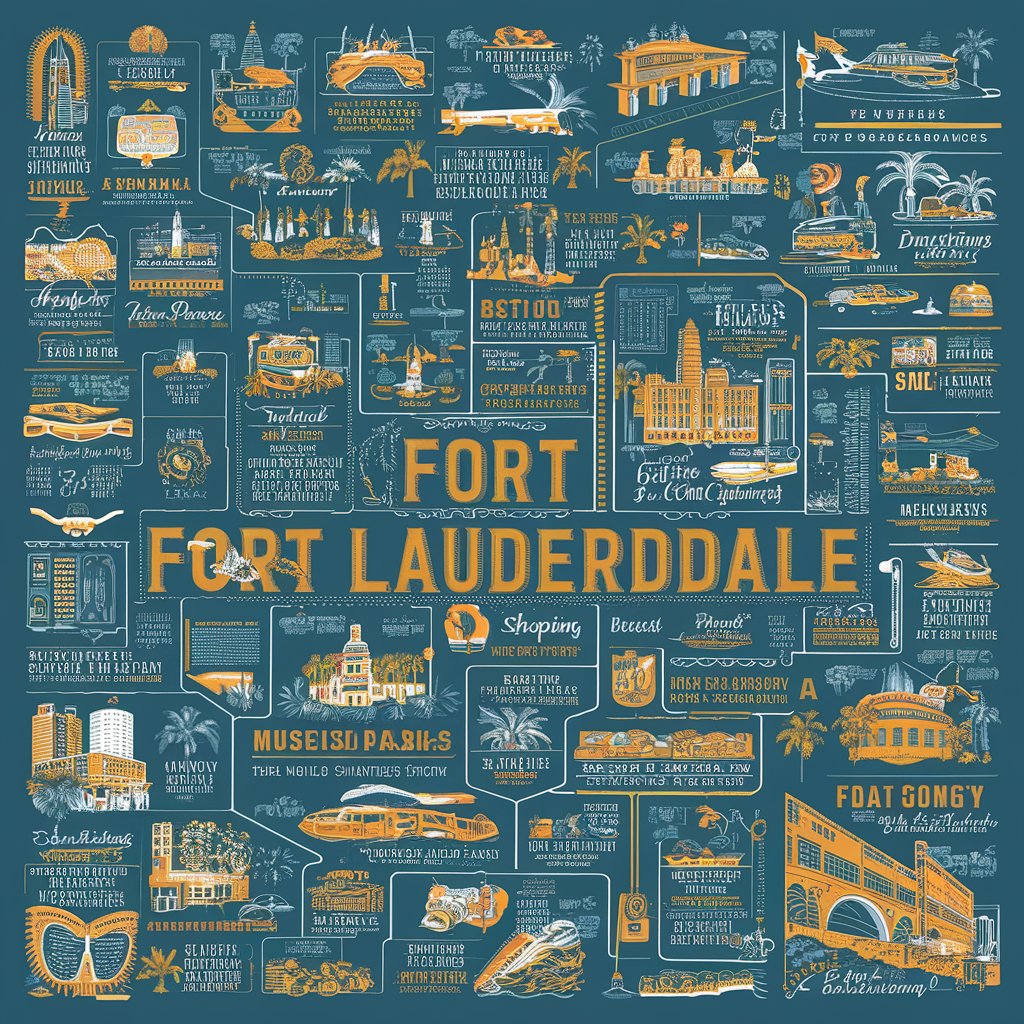
Fort Lauderdale, Florida – The Venice of America Explained
Introduction to Fort Lauderdale
fort lauderdale florida verenigde staten is one of the most iconic coastal cities in the United States, located in the southeastern part of Florida. Known globally for its beaches, canals, and luxury lifestyle, it sits along the Atlantic Ocean in Broward County. The city has earned a strong reputation as a vacation paradise and a booming residential hub. Many travelers from Europe, South America, and within the U.S. visit it every year for its warm weather and waterfront experiences. Its nickname, “Venice of America,” reflects its intricate network of canals and waterways that weave through the city like a floating maze.
Where Fort Lauderdale is Located
Geographically, Fort Lauderdale lies between Miami and Palm Beach, making it a central hub in South Florida. This strategic position has helped the city grow into a major tourism and business center. The city stretches along miles of sandy coastline and is connected by highways, airports, and waterways. Its proximity to the Everglades also gives it a unique natural contrast between urban life and wild nature.
Why It is Called “Venice of America”
The nickname is not just marketing—it reflects reality. Fort Lauderdale has more than 165 miles of inland waterways, canals, and rivers that connect neighborhoods and the ocean. Boats are often used like cars in some areas. Residents regularly travel by water taxis, yachts, and small boats. This water-based lifestyle is what makes the city feel so unique compared to other American cities.
History of Fort Lauderdale
Early Seminole War Forts
The city gets its name from a series of forts built during the Second Seminole War in 1838. These forts were named after Major William Lauderdale, a U.S. Army officer. At that time, the region was mainly undeveloped and inhabited by Native American tribes.
Development After 1911 Incorporation
Fort Lauderdale was officially incorporated in 1911. After the arrival of the railroad in the late 19th century, the city began to grow rapidly. Tourism became a major driver in the 20th century, especially after it became a popular spring break destination in the 1930s. Over time, it evolved into a modern metropolitan city with strong economic and cultural influence.
Geography and Climate
Atlantic Coastline and Waterways
The city is located directly on the Atlantic Ocean, giving it beautiful beaches and strong maritime activity. Its canal system connects neighborhoods, marinas, and ports, making water transportation highly active.
Tropical Weather Patterns
Fort Lauderdale has a tropical rainforest climate. Summers are hot and humid, while winters are warm and dry. This makes it a year-round destination for tourists escaping colder regions.
Sunshine and Seasonal Variations
The city enjoys around 3,000 hours of sunshine annually, making it one of the sunniest urban areas in the U.S. This climate supports tourism, outdoor living, and water sports throughout the year.
Population and Demographics
Fort Lauderdale has a population of around 190,000+ residents and continues to grow steadily. The metro area is significantly larger, forming part of the Miami metropolitan region.
Cultural Diversity
The city is extremely diverse, with communities from Latin America, the Caribbean, Europe, and across the United States. This diversity is reflected in its food, festivals, and cultural events.
Economy of Fort Lauderdale
Tourism Industry
Tourism is one of the strongest pillars of the local economy. Millions of visitors arrive each year for beaches, cruises, and entertainment experiences.
Marine and Yacht Industries
Fort Lauderdale is also known as the “yachting capital of the world.” The city has thousands of yachts and marinas supporting a large marine industry.
Finance and Tech Growth
Beyond tourism, the economy includes finance, insurance, real estate, aerospace, and technology companies. This diversification has helped the city remain economically stable.
Tourism in Fort Lauderdale
Fort Lauderdale Beach Attractions
The beaches are the heart of the city. Soft sand, clear water, and palm-lined streets attract millions of tourists annually.
Las Olas Boulevard Lifestyle
Las Olas Boulevard is famous for shopping, dining, and nightlife. It represents the modern lifestyle of Fort Lauderdale.
Cruise Tourism via Port Everglades
Port Everglades is one of the busiest cruise ports in the world, handling millions of passengers annually.
Visitor Statistics and Trends
Tourism continues to grow, contributing heavily to jobs and local revenue.
Transportation and Infrastructure
Fort Lauderdale-Hollywood International Airport
This airport connects the city to domestic and international destinations, making travel easy for millions of passengers each year.
Port Everglades
The port is a major hub for cruise ships and cargo transportation.
Road and Water Transport System
Highways connect Fort Lauderdale to Miami and surrounding cities, while waterways provide alternative transport routes.
Culture and Lifestyle
Arts and Entertainment Districts
The Riverwalk area is a cultural hub featuring theaters, museums, and art spaces.
Museums and Cultural Centers
Institutions like the Museum of Discovery and Science and NSU Art Museum attract both tourists and residents.
Nightlife and Dining
From beachfront bars to luxury restaurants, nightlife in Fort Lauderdale is vibrant and diverse.
Education and Institutions
Universities and Colleges
The city is home to several institutions, including Nova Southeastern University and Broward College.
Research and Innovation Centers
These institutions contribute to local innovation in science, business, and technology.
Real Estate and Living in Fort Lauderdale
Cost of Living Overview
Living in Fort Lauderdale can be expensive compared to the national average, especially near the coastline.
Waterfront Housing Demand
Waterfront properties are highly desirable, often commanding premium prices due to ocean access.
Things to Do in Fort Lauderdale
Beaches and Outdoor Activities
Swimming, boating, jet skiing, and fishing are popular activities.
Shopping and Entertainment Hubs
Shopping centers, luxury boutiques, and entertainment venues are spread across the city.
Challenges Facing Fort Lauderdale
Climate Change and Flooding Risks
Being a coastal city, Fort Lauderdale faces rising sea levels and flooding concerns.
Urban Development Pressure
Rapid development puts pressure on infrastructure and housing markets.
Future of Fort Lauderdale
Economic Expansion Outlook
The city is expected to continue growing in tourism, real estate, and business sectors.
Tourism Sustainability Plans
Efforts are being made to balance tourism growth with environmental protection.
Conclusion
fort lauderdale florida verenigde staten as one of Florida’s most dynamic coastal cities, blending natural beauty with modern development. Its waterways, beaches, and cultural life make it unique in the United States. Whether for tourism, business, or living, it continues to attract people from around the world with its warm climate and vibrant lifestyle.
FAQs
1. Why is Fort Lauderdale called Venice of America?
Because of its extensive canal system and waterways similar to Venice, Italy.
2. Is Fort Lauderdale a good place to live?
Yes, it offers a warm climate, job opportunities, and a high quality of life.
3. What is Fort Lauderdale famous for?
Beaches, yachts, cruise ports, and tourism.
4. How far is Fort Lauderdale from Miami?
Approximately 40 km (25 miles) north of Miami.
5. Is Fort Lauderdale expensive?
Yes, especially in waterfront and tourist-heavy areas.
